Built by the community,
for the community

QueerSpace exists because one trans woman got tired of the guesswork. But the uncertainty she felt is shared across the entire rainbow community.

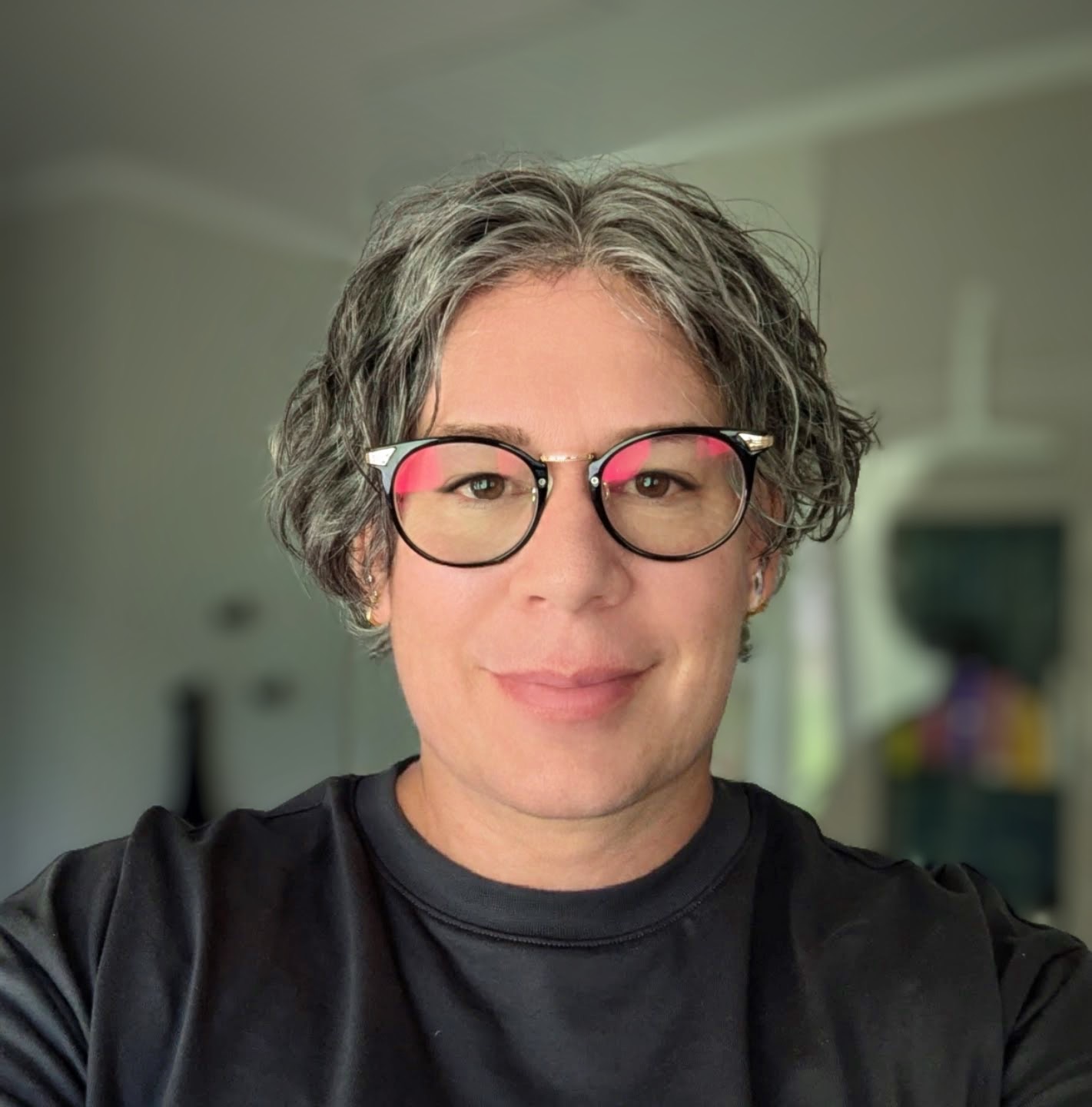
Ripley Robins, Founder of QueerSpace she/her

Ripley Robins

Founder, QueerSpace

I'm a trans woman in Aotearoa New Zealand. I transitioned in my late 40s after decades of knowing something was different but not having the language or the courage to act on it.

I built QueerSpace because I know what it's like to stand outside a shop, terrified to walk in. To Google a GP and have no idea if they'll treat you with dignity. To text three friends before booking a hairdresser because you need to know if they'll use your pronouns.

That knowledge exists. It's in group chats, in word of mouth, in hard-won personal experience. But it disappears when people leave those chats. I wanted to make it permanent and useful.

My story is a trans story, but QueerSpace is for all rainbow communities. Gay couples wondering if a hotel will give them a double room without the look. Bisexual people finding a counsellor who takes their identity seriously. Takatāpui navigating spaces that honour both their whakapapa and their identity. Rainbow migrants arriving in Aotearoa with no community network and no one to ask "where is it safe?" Rangatahi stepping out of school into a world where the safe spaces they knew don't follow them.

Every queer person knows the mental load of walking into somewhere new and not knowing if you'll be welcome. QueerSpace passes the baton of trust from one person to the next.

I'm also the Director of Robinsight Ltd, a consultancy I've run for years. QueerSpace is a Robinsight product, but it's not a corporate project. It's personal. I'm building it because I want Aotearoa to be the most queer-friendly country on Earth, and I think the best way to get there is to make the invisible visible.

The Moment That Started It All

A stranger in a shop changed everything.

"If it were, that would be ok too. It's just a piece of clothing."

In early 2021, I'd just come out to a couple of friends. I was going through so many thoughts about what being trans would mean for my life, my friends, family, career. I felt drawn to aspects of what society deems feminine. Lighter clothes, more feminine cuts, hair. But I was stuck in this loop of wanting to appear differently without the emotional stability to do it.

I remember the terror like it was yesterday. I'd seen a top in a brochure and went to the shop to try it on. A quiet mall, middle of the week, but I did a few passes and looked inside to make sure no one was there. I was visibly male in every aspect. Eventually I went in, stomach churning, and walked around. I was overcome with fear, too scared to even touch the clothes. I left without looking at the top, went home and cried.

I tried again a few weeks later. This time I found the top, picked it up, and was about to put it back when the shop assistant asked "would you like to try that on?"

I was flabbergasted. No no, it's not for me... lie...

Then she said, and I'll never forget this:

"I understand, but if it were, that would be ok too. It's just a piece of clothing."

Instantly this stranger had disarmed decades of fear and shame and trivialised something I'd put so much emotional weight into. With my voice quivering I said "can I try it?", and I did.

I still have that top. But I left with something far more powerful: a sense of identity, unlocked by someone who understood my needs.

When Healthcare Fails You

Finding a GP who treats you with dignity shouldn't require a community search party.

"She didn't believe in my choices."

When I started transitioning, the first thing I did was go to my GP. I told her what was going on, and honestly, she seemed great. Understanding, accepting. She referred me to an endocrinologist, who prescribed my medications. That felt like progress.

But endocrinologists are expensive. When I eventually went back to my GP to continue the prescriptions, she refused. She told me she didn't believe in my "choices".

I didn't choose to be this way. I'm just trying to get through life with the right healthcare.

I left that appointment shaken. I'd trusted her. I'd sat in her office and told her something deeply personal, and she'd nodded and referred me on, and I thought that meant she understood. It didn't.

It was only through talking to the community that I found my current GP. She's absolutely incredible. She prescribes exactly what I need, talks to me with care, listens to my concerns. I wish more people knew about her. But more than that, I wish more people could get the same level of care from their existing GP.

That's exactly the kind of thing QueerSpace is for. Right now, finding a trans-competent GP means asking around, hoping someone in your circle has a recommendation. If you're new to an area, or new to transitioning, or just don't have that circle yet, you're on your own. One review on QueerSpace could save someone months of searching and a whole lot of heartbreak.

Why This Matters

The knowledge exists. It's just not being collected.

"Most places are actually welcoming. But it takes enormous courage for us to find them."

Since transitioning, I've read through the forums about trans people asking for trans-friendly services, and I often think back to my shop assistant and wish they'd met her. And I think about the people who are still going to GPs who don't support them, because they don't know there's a better option two suburbs over.

What I know now that I didn't then is that most places are actually welcoming. But it takes enormous courage for queer people to find them. That information lives in group chats and word of mouth and disappears when people leave those conversations.

Meanwhile, 1 in 5 trans people in Aotearoa have avoided seeing a doctor because they were worried about being disrespected. 43% regularly avoid public bathrooms. 47% of bisexual adults experience crime over a 12-month period. Rainbow youth are five times more likely to attempt suicide. These aren't rare experiences. This is Tuesday.

QueerSpace makes that invisible knowledge permanent. Every review passes a baton of trust to the next queer person walking through that door. And collectively, those reviews reveal patterns that have never been tracked before. We publish aggregated, anonymised trends. Which types of businesses score well. Which regions have gaps. Where things are improving. Individual reviews and ratings are never shared outside the platform.

That's the kind of evidence that belongs in select committees, not lost in group chats.

Better healthcare comes from better policy. Better policy comes from better data. Better attitudes come from better education. QueerSpace contributes to all of it.

Making Aotearoa the most queer-friendly country on Earth

One review at a time. Every review helps the next person. Together, they build the evidence for change.

Join the Waitlist